

As someone who spends considerable time examining online slot mechanics and player experience, I find that the administrative side of gaming, like managing notifications, is often neglected. For players of Oink Oink Oink Slot, configuring email alerts correctly is a strategic move that goes beyond mere comfort. It directly impacts your ability to stay updated about crucial updates, bonus opportunities, and account security without needing to constantly log in. This article provides a thorough, step-by-step guide centered on the UK context, explaining not just the ‘how’ but the ‘why’ behind each notification setting. My aim is to provide you a clear, objective roadmap to customize your communication preferences, guaranteeing you receive only the information you deem valuable and nothing that clutters your inbox.
Understanding the Notification System
Before diving into the setup process, it’s important to understand what types of communications a modern slot platform like this typically generates https://oinkoinkoink.net/. These are not random emails; they are structured, purpose-driven messages designed to keep your gaming experience seamless and secure. From my review, the categories generally split into transactional, promotional, and security-related notices. Each serves a distinct function, and your preference for each will influence how connected you are to the platform’s pulse. Ignoring this setup means potentially missing out on deposit confirmations, new feature launches, or important policy changes that could affect your play. I see this system as a customizable newsfeed for your gaming activity.
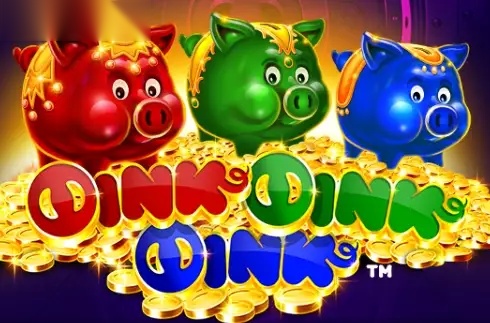
Transactional notifications are the must-haves. These include confirmations for deposits and withdrawals, password change alerts, and verification emails. They are vital for maintaining a clear financial and security audit trail. Promotional notifications, on the other hand, notify you about new slot releases, exclusive bonus offers, free spin opportunities, and tournament announcements. Security and account alerts might encompass login attempts from new devices or important updates to terms and conditions. Discerning which of these streams of information are useful to you is the first step in taking control of your digital interaction with the game.
Step-by-Step Guide to Adjusting Your Settings
Setting up your email settings is a uncomplicated process, but it requires finding the proper section of your account. I will detail the logical path you should take, presuming a common account structure typical of UK-facing platforms. The first step is consistently to log into your account safely. Once logged in, locate your account profile or settings menu, often symbolized by your username or an icon in the top corner. Within that menu, you should find a subsection called “Communications,” “Email Preferences,” “Notifications,” or something alike. This is the control panel for all your alerts.
Upon opening this section, you will typically be presented with a list of notification categories, each with a toggle switch or checkbox. Do not merely turn everything on or off in a hurry. Take a moment to check the description next to each option. The platform may divide preferences into broad groups like “Marketing Emails,” “Transaction Receipts,” and “Account Alerts.” I recommend a organized approach, evaluating each category’s value to your individual playing style. For instance, a occasional player might only require transaction and security alerts, while an dedicated enthusiast might select all promotional news. The setup is usually saved automatically, but always check for a “Save” or “Confirm” button to make sure your choices are recorded.
Key Settings for Safety and Transactions
This section is critical. I cannot overstate the significance of activating all safety and transaction-related email notifications. These emails are your first line of defense and your private record. When activated, you will receive an immediate alert for any action involving your finances or account login. This serves two vital purposes: it enables you to confirm legitimate actions you performed, and it instantly marks any unauthorized activity. In the unlikely event of a suspicious login attempt from an unfamiliar device, an email alert empowers you to take swift action, such as updating your password.
From an evaluative standpoint, these emails also offer a effortless record-keeping feature. Instead of manually recording every deposit or cashout within the platform, your email inbox becomes a findable archive of your financial interactions. This is invaluable for planning, matching your play, or resolving any possible discrepancies with customer assistance. I consistently suggest players to maintain these notifications enabled and to make sure these emails are not routed to their spam or junk folder. The core settings you must verify are enabled include:
- Deposit Receipts
- Cashout Orders and Approvals
- Passcode Update Notifications
- Sign-in Alerts from Unfamiliar Devices
- Updates to Conditions and Conditions or Responsible Gaming Guidelines
Optimizing Promotional and Update Alerts
Marketing notifications are where individual preference plays the dominant role. Unlike security alerts, there is no right or wrong answer here—only what is appropriate for you. If you enjoy discovering new features, chasing bonus offers, or participating in time-sensitive events, then these emails are a useful resource. They are designed to notify you of opportunities you might otherwise miss, especially if you don’t log in daily. However, if your main goal is to enjoy the base game without additional stimuli, a messy inbox with frequent promotional content may appear like a nuisance.
My analysis of player habits suggests a moderate approach often works best. You might think about enabling notifications for major announcements or exclusive bonuses while deactivating more frequent, general newsletters. Many platforms, appealing to UK player expectations, offer precise control. You might be able to subscribe to alerts specifically for free spin offers on this slot, or for new game releases from the same provider, while opting out of broader site-wide promotions. This selective approach ensures you get high-value, relevant information without the noise. Review these settings periodically, as your interests and the platform’s promotional calendar will change over time.
Handling Frequency and Preventing Inbox Fatigue
A typical concern with enabling promotional emails is inbox fatigue—the experience of being overwhelmed by too many messages. A properly built notification system should offer frequency controls, though not all do. Look for options called “Weekly Digest” or “Monthly Roundup” which consolidate offers into a one, scheduled email. This is an outstanding compromise between remaining aware and preserving inbox sanity. Furthermore, the standard of the promotional content matters; I favor emails that are direct and deliver tangible value, such as a specific bonus code or a explicit announcement of a tournament with defined rules.
It is also prudent to use the email service itself to your advantage. You can establish a dedicated folder or label for emails from the gaming platform, automatically directing them out of your primary inbox. This enables you to review them at your leisure without distraction. Remember, you hold the power to change these settings at any time. If you notice the volume is too high, simply head back to the preferences page and turn off a few categories. The goal is for the notifications to serve you, not the other way around. A properly handled setup feels like a helpful assistant, not a persistent advertiser.
Troubleshooting Common Delivery Issues
Even with a perfect setup, technical issues can stop emails from getting to you. The most common culprit is the spam or junk folder of your email provider. Automated messages from gaming sites are sometimes mistakenly filtered. The solution is to allowlist the sender’s email address. Generally, this involves finding an initial email, marking it as “Not Spam,” and adding the sender to your contacts or safe sender list. Each email provider (like Gmail, Outlook, or Yahoo) has somewhat different steps for this, which are easily found through a quick web search. This one action resolves the vast majority of delivery problems.
Other issues may stem from your own account settings. If you stop receiving emails altogether, first double-check that your notification preferences within your gaming account are still active—sometimes updates can reset preferences. Next, ensure the email address on your account is correct and fully verified. If you’ve recently changed email addresses, you must change this in your profile. Finally, consider the possibility of a full mailbox; an over-quota inbox will return new messages. If problems remain after checking these points, the logical next step is to contact customer support, providing precise details about what type of email you did not receive and when.
- Inspect your spam/junk folder and allowlist the sender’s address.
- Check your notification settings are still enabled in your account.
- Confirm your registered email address is accurate and verified.
- Make sure your email inbox is not full or over its storage limit.
- Reach out to customer support with exact details if issues continue.
The strategic value of being informed

Beyond the core utility, there is a strategic layer to handling your notifications efficiently. In the dynamic landscape of online slots, information is a nuanced advantage. Getting quick alerts to a exclusive bonus or a upcoming tournament on Oink Oink Oink Slot can provide an initial benefit or entry to enhanced rewards. Furthermore, instant security alerts allow for rapid response, potentially protecting your funds. This active management of information flow demonstrates a more attentive and managed approach to your gaming hobby, following principles of responsible play where you are directly guiding your experience.
This setup also forms a feedback loop. The emails you opt to receive and interact with inform the platform about your preferences. While privacy is consistently paramount, this can lead to a more tailored experience over time, with offers that are more inclined to suit your interests. By curating your notifications, you are not just tidying up your inbox; you are conditioning the system to engage with you more effectively. This level of customization is a typical expectation for UK players, and taking full advantage of it proves a sharp understanding of the digital gaming environment.
Conclusion and Closing Advice
Setting up email notifications for Oink Oink Oink Slot is a simple yet meaningful task that enhances both security and engagement. By methodically enabling transactional and security alerts, you establish a vital safety net and record-keeping tool. By thoughtfully selecting promotional communications, you get access to valuable opportunities without yielding to inbox overload. I advise a periodic review of these settings, perhaps every few months, to ensure they continue to align with your playing habits. The control is solidly in your hands, and using it wisely changes email from a potential annoyance into a curated information channel that facilitates a more secure and enriched gaming experience.